Retail shelves are only one moment in a shopper’s life. Another smart play is to show up before the aisle, in places where decisions are already being formed, like post-workout, mid-commute, or between meetings.
That is where out-of-store POSM wins. It puts products into real routines, so the display feels helpful. Think gyms, salons, petrol stations, office pantries, coworking spaces, and even lift lobbies. These are high-frequency touchpoints where a small display can do big work.
Below are practical ways brands use POSM beyond retail, and how to design it so it actually converts.
1. Start with “context first”, not product first
Out-of-store environments do not behave like supermarkets. People are not browsing. They are moving, waiting, commuting, or switching tasks. Your POSM must earn attention through relevance.
Ask one question: What problem is the shopper already experiencing in this location?
- At a gym: hydration, recovery, energy, protein, cramps
- At a petrol station: fatigue, hunger, last-minute essentials
- At an office: stress snacks, coffee, “I forgot lunch”, focus dips
2. Gyms: sell performance, not products
Gym POSM works best when it feels like part of the workout journey. The goal is not to “promote”. It is to solve a need in the next 30 minutes.
What performs well:
- Hydration and recovery zonesnear reception or the exit
- Protein and energy add-onsbeside vending areas
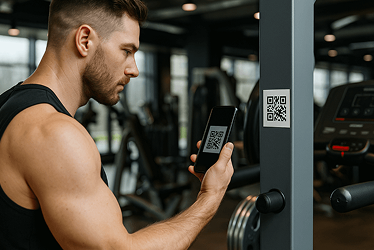
Scan-to-learn QR codes that explain “when to take it” in one line
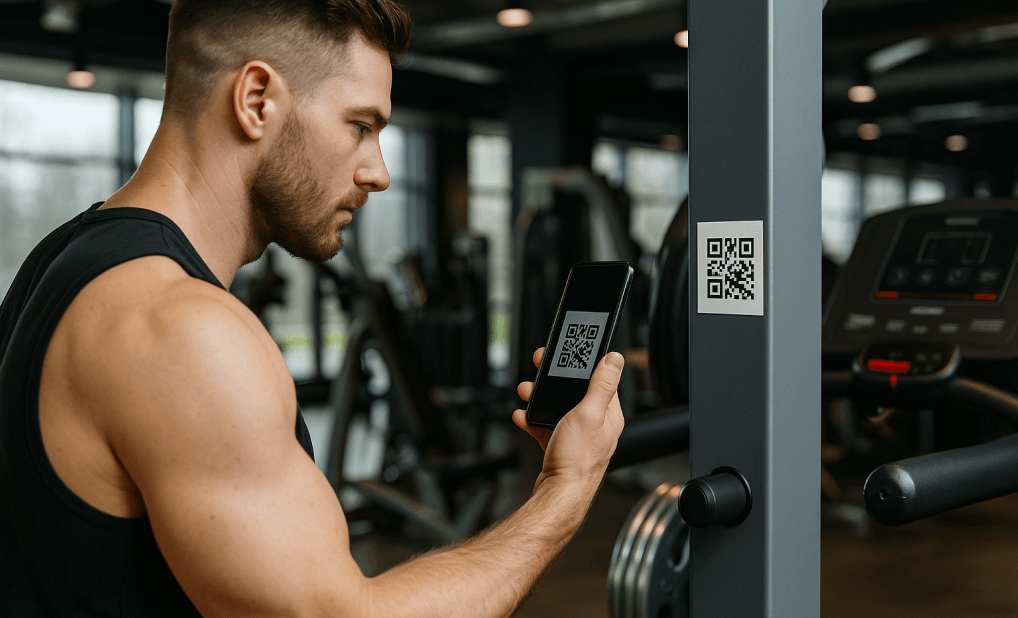
Case in point: A QR placed mid-workout turns POSM into guidance, answering what to take next when it actually matters.
3. Petrol stations: the five-second convenience win
Petrol stations are not about discovery. They are about speed. Out-of-store POSM here must behave like a shortcut: “Grab this now.”
High-converting categories:
- Energy drinks, ready-to-drink coffee, mints, gum
- Travel sizes, wipes, tissues, mini pain relief
- Snack bundles that look like “enough for the drive”
Design rules:
- Use vertical, narrow racksthat sit beside queue flow
- Put the price in large type and keep the copy under 6 words
Make selection frictionless: front-facing packs, minimal depth
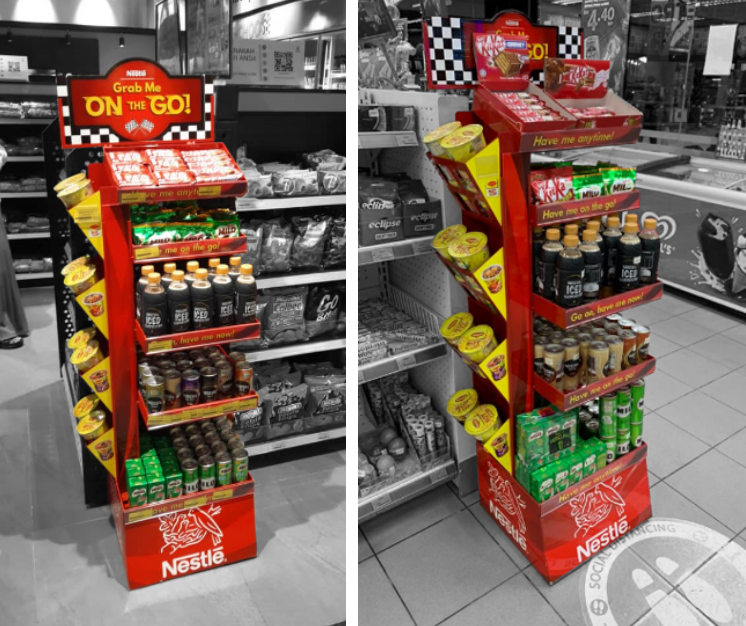
Case in point: A vertical rack beside the queue turns waiting time into a quick win, with front-facing packs built for grab-and-go decisions.
4. Offices and coworking spaces: when POSM becomes a habit loop
People repeat the same behaviours daily in offices, which makes them perfect for building brand habit.
Where POSM wins:
- Pantry fridges and snack shelves
- Micro-markets in office lobbies
- Coffee corners and “grab-and-go” kiosks
What to do:
- Build a mini-category(not a random single product) so it feels established
- Use “restock logic” such as bundle offers or subscription QR codes
Make it corporate-friendly: clean visuals, minimal clutter, quiet confidence
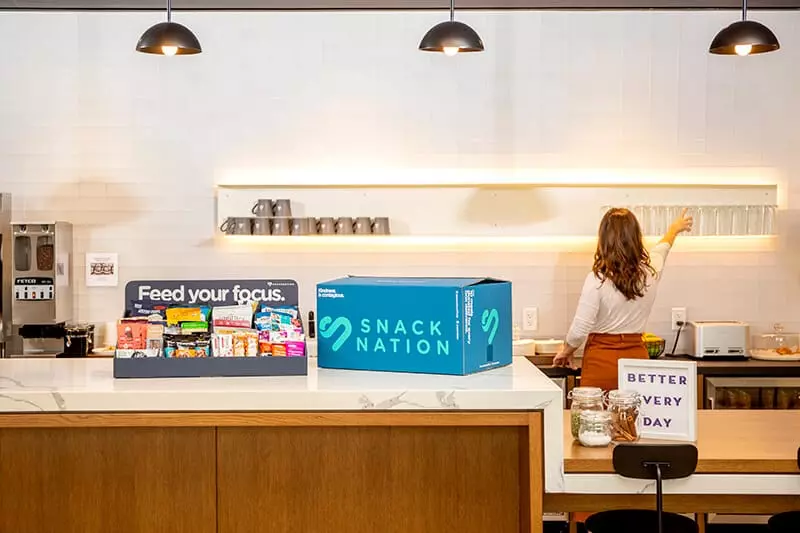
Case in point: A tidy pantry counter stocked with familiar snacks turns daily coffee breaks into a repeat habit
Bringing the brand closer to life
When POSM leaves the aisle, it starts feeling like part of living. That is the advantage. You are not competing with 40 other brands on a shelf. You are showing up in a moment that already makes sense.
Do it well, and the next time the shopper finally sees your product in-store, it will feel familiar, trusted, and already chosen.