Walk through any city, shopping mall or transport hub and you’ll be exposed to thousands of marketing messages every day. Most are ignored not because they are badly designed, but because our brains have become extremely efficient at filtering out anything that looks like advertising.
This is why visual illusion remains one of the most powerful tools in the creative marketer’s arsenal.
Rather than demanding attention, illusion invites curiosity. It creates a brief moment of confusion, surprise or discovery that encourages people to look twice. In many cases, the audience becomes an active participant, mentally completing the idea before fully understanding how it works. That small moment of engagement is often far more valuable than a larger media buy or a bigger logo.
Some of the best examples achieve this by using elements that already exist in the environment.
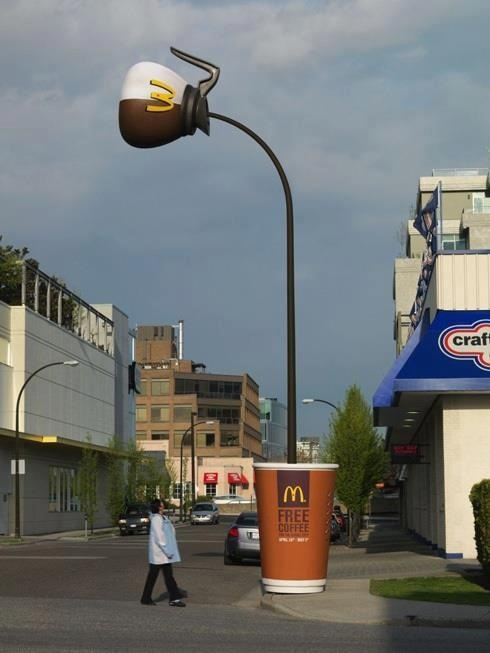
A simple street lamp becomes a giant coffee cup when positioned correctly. The lamp itself acts as the rising steam, transforming an ordinary piece of street infrastructure into part of the creative concept. Nothing about the lamp has changed, yet the audience immediately understands the visual connection. The idea feels clever because it works with the environment rather than against it.
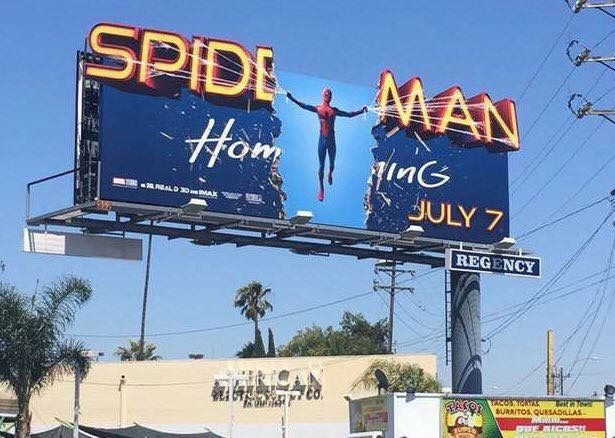
The same principle can be seen in the Spider-Man billboard. At first glance, it appears to be a conventional outdoor advertisement. Look closer and the structure of the billboard itself becomes part of the creative execution, creating the illusion that Spider-Man is suspended between the letters of the title. The physical framework is no longer hidden behind the artwork. Instead, it becomes part of the storytelling.
Some illusions rely on movement rather than static visuals.
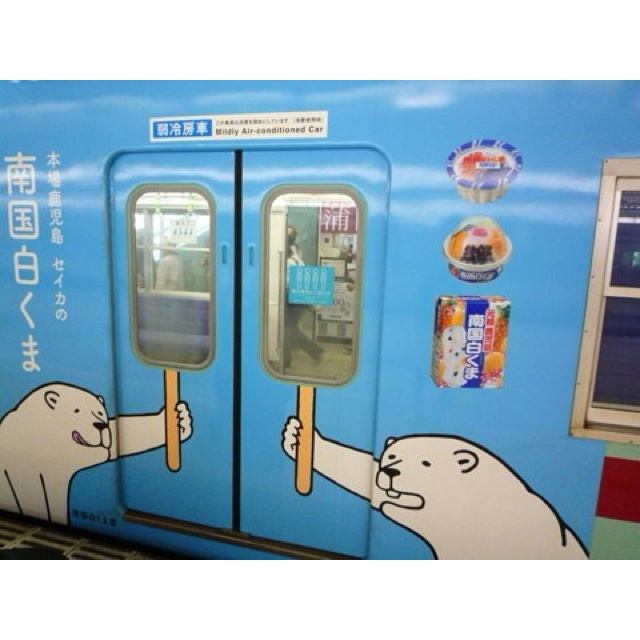
The train door execution demonstrates this particularly well. The illustration is designed so that the opening and closing of the train doors completes the visual gag. What would otherwise be an ordinary transit advertisement becomes something people notice repeatedly throughout the day because the environment itself is helping deliver the message.
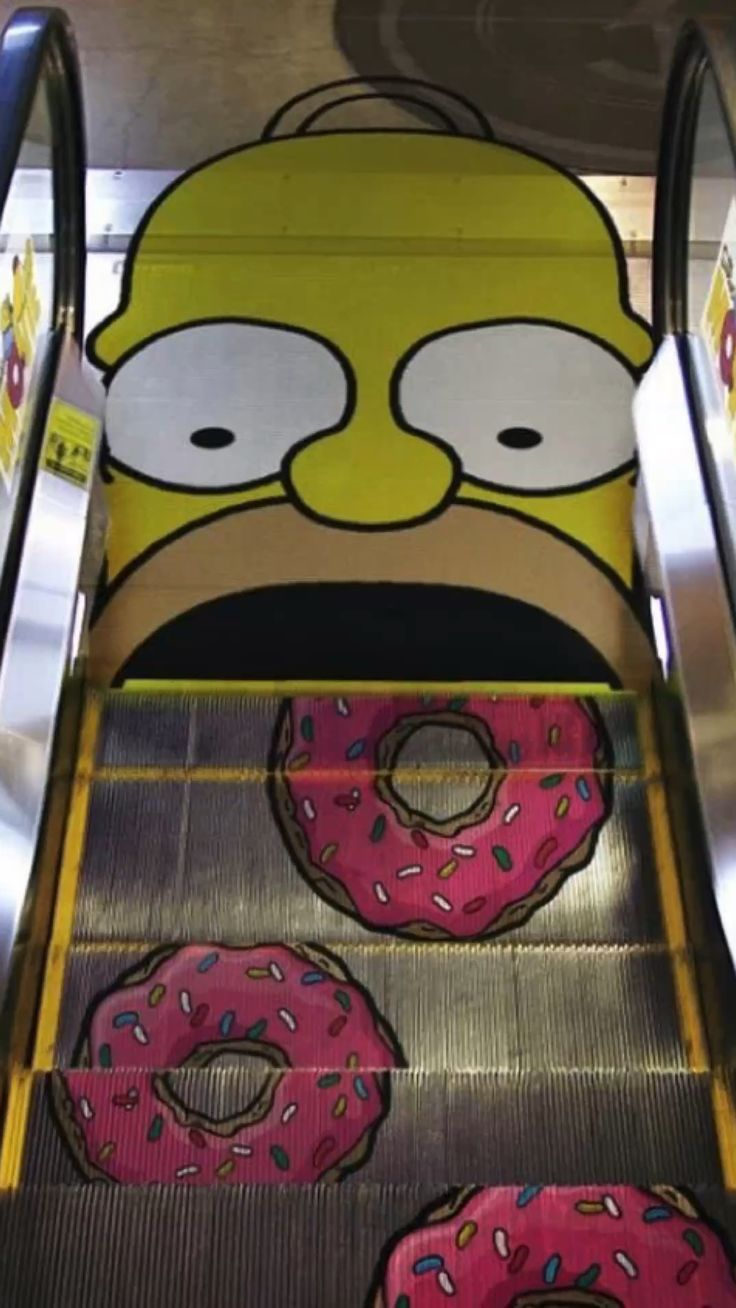
The donut-themed escalator follows a similar approach. Escalators are designed to move people, but here that movement becomes part of the creative idea. As passengers ride the escalator, the visual appears to transform, creating an experience that could never be replicated on a traditional poster. The medium and the message become inseparable.
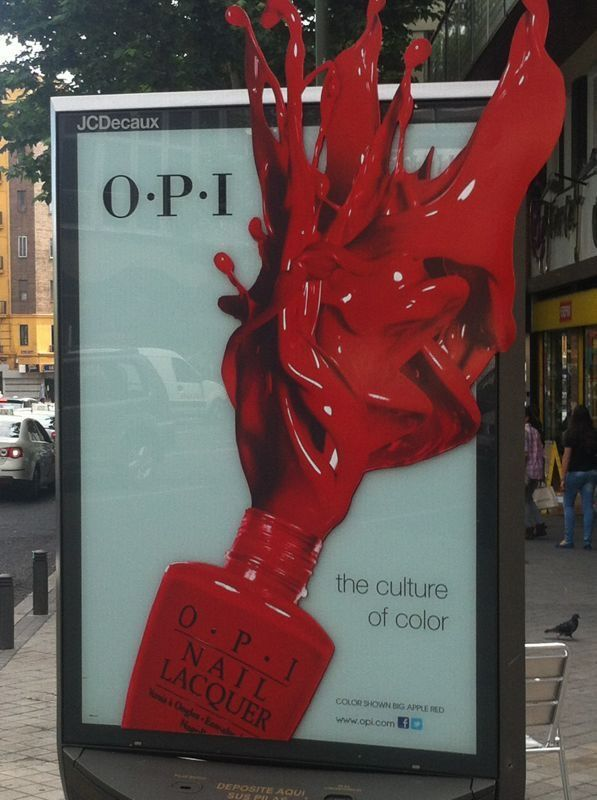
Perhaps the most dramatic example is the OPI bus shelter execution. The giant splash of red nail polish appears to burst out from the advertising panel and spill into the real world. The installation deliberately blurs the line between the printed advertisement and the physical environment, creating an illusion that feels impossible yet immediately understandable. It is precisely this tension between reality and imagination that makes people stop and take notice.
What makes these executions memorable is not the complexity of the production. In most cases, the underlying idea is remarkably simple. A lamp becomes steam. A billboard frame becomes part of a superhero scene. Train doors become a moving illustration. An escalator becomes part of a visual joke. A bus shelter becomes a giant spill.
For brands, there is an important lesson here. Attention is not always won through size, budget or technology. Sometimes it comes from helping people see something familiar in a completely different way. When an execution encourages people to pause, look twice and share the discovery with others, the advertising something people genuinely want to experience.