Most retail displays are designed around a product, a brand or a category. They make one item easier to notice, then leave the shopper to work out what else might be needed.
Cross-merchandising starts from a different place. Instead of asking how to sell more of one product, it asks what the shopper is trying to complete. Dinner tonight. A child ready for school. A gaming setup. A coordinated outfit. Everything needed for a day in the sun. The POSM then brings the relevant pieces together and makes the next purchase feel useful rather than forced.
Done well, this approach can increase basket size while making the store easier to shop. The best examples show a clear relationship that shoppers can understand within seconds.
Start with the outcome the shopper wants
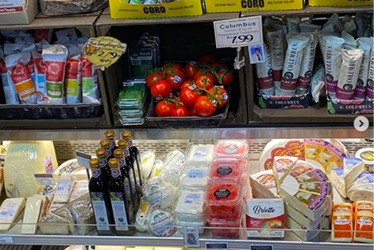
Food retail offers the clearest version of the idea because shoppers often arrive with a meal in mind rather than a fixed list of brands. Western Market places tomatoes, basil and balsamic vinegar close to mozzarella, turning separate ingredients into an obvious Caprese salad suggestion. Nearby, watermelon and feta create another ready-made pairing.
The display is effective because the relationship is visible without lengthy explanation. It answers a practical question at the moment of choice: what can I make with this? Once that question is answered, several items begin to feel like one purchase decision.
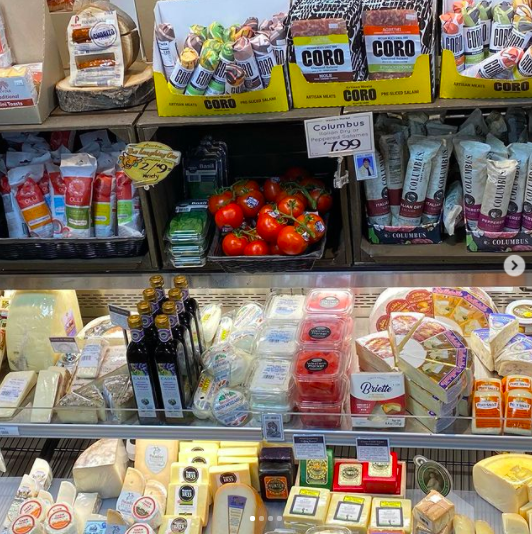
Grouping complementary ingredients beside cheese, allowing shoppers to recognise a complete serving idea at a glance.
Create an ecosystem around the hero purchase
Cross-merchandising becomes particularly valuable when one main product depends on several supporting items. A games console may be the hero purchase, but controllers, headsets, games and other accessories determine how complete the setup feels.
Best Buy places these products within the same gaming environment, allowing shoppers to compare the system as a whole. The supporting items are not presented as unrelated add-ons at the end of the journey. They are built into the decision from the beginning. This is useful for the shopper and commercially powerful for the retailer because it moves the conversation from the price of one product to the value of the complete experience.
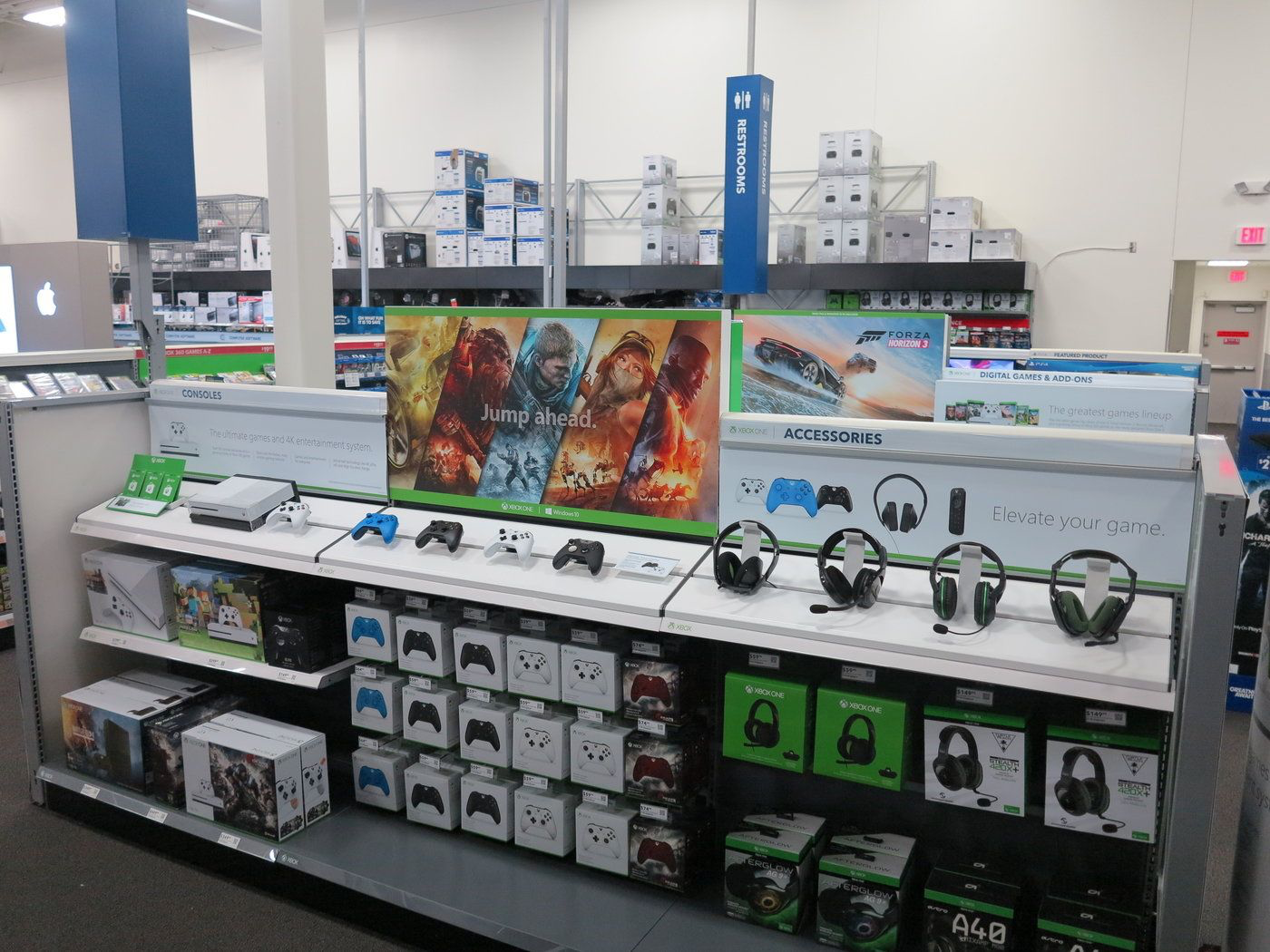
Presenting consoles, controllers, headsets and games as one connected system, making the supporting purchases easier to understand and compare.
Show how the pieces work together
In fashion, the relationship between products is more visual. A top, skirt, jacket, handbag and pair of shoes may belong to separate merchandise groups, but shoppers judge them by how well they form a complete look.
Marks & Spencer uses coordinated colours, prints and mannequins to make those relationships clear. Accessories are placed within the same visual story instead of being treated as an afterthought. The shopper can see the outfit before deciding whether to build it. This is an important distinction: strong cross-merchandising demonstrates the combination rather than merely placing related products nearby.

Marks & Spencer coordinates apparel, shoes and handbags through colour, pattern and mannequin styling, showing shoppers how separate items form a complete look.
When cross-merchandising feels natural
The common thread across these examples is relevance. The additional products make the first purchase more useful, more complete or easier to enjoy. That is what separates effective basket-building POSM from a display that simply tries to fit more stock into the same space.
A useful test is to remove the promotion message and look only at the products. If the relationship is still clear, the idea is probably strong. If the shopper needs a long explanation to understand why the items are together, the grouping may be serving the retailer more than the customer.
The best cross-merchandising does not ask people to buy more for the sake of it. It saves them a trip to another aisle, reminds them of something genuinely useful or helps them picture the finished result. When POSM can do that, a bigger basket becomes the outcome of better shopping, not just harder selling.